
From Chaos to Clarity: The True Value of a Comms Cabinet Tidy
If you work in IT, you know the feeling all too well. You walk into a comms room, open a server cabinet, and are immediately met by a terrifying wall of tangled copper and fiber. It looks less like a network infrastructure and more like a bowl of technicolor spaghetti. We’ve all seen them, many of us inherit them, and far too often, we just close the door and pretend they don’t exist.
But ignoring a messy cabinet is a ticking time bomb for any IT operation. Recently, our team took on the challenge of transforming one of our messiest server racks from an absolute operational nightmare into a clean, optimized work of art. Here is a look at the journey, the transformation, and exactly why cable management matters far beyond just ‘looking pretty.’
The Operational Nightmare: The ‘Before’
Every technician knows the dread of troubleshooting a connection issue when the rack looks like a bird’s nest. In the ‘Before’ state of this cabinet, tracing a single drop was a high-stakes guessing game. Cables were draped over switches, link lights were completely obscured, and identifying individual runs was effectively impossible without risking unplugging the wrong live connection.
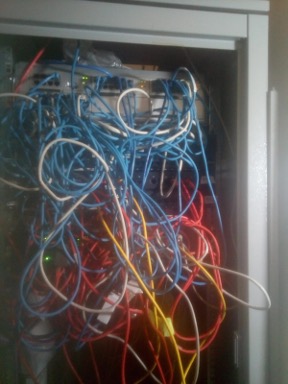
Figure 1: The dreaded ‘Spaghetti Junction’ before the cleanup.
The Strategy Behind the Tidy
A successful cabinet tidy is never just about pulling out cables and putting them back in. It requires a meticulous, step-by-step approach to guarantee zero accidental configuration loss and minimal business interruption. Our approach focused on:
- Audit & Mapping: Documenting and understanding existing VLAN allocations and critical uplinks before disconnecting a single lead.
- Uniform Patch Leads: Replacing mismatched, overly long cables with exact-length, high-quality patch leads to eliminate unnecessary slack.
- Logical Separation: Grouping and routing infrastructure neatly off to the sides using management bars, ensuring that critical data switches and dedicated telephone lines remain completely distinct and perfectly labeled.
The Poetry of Organization: The ‘After’
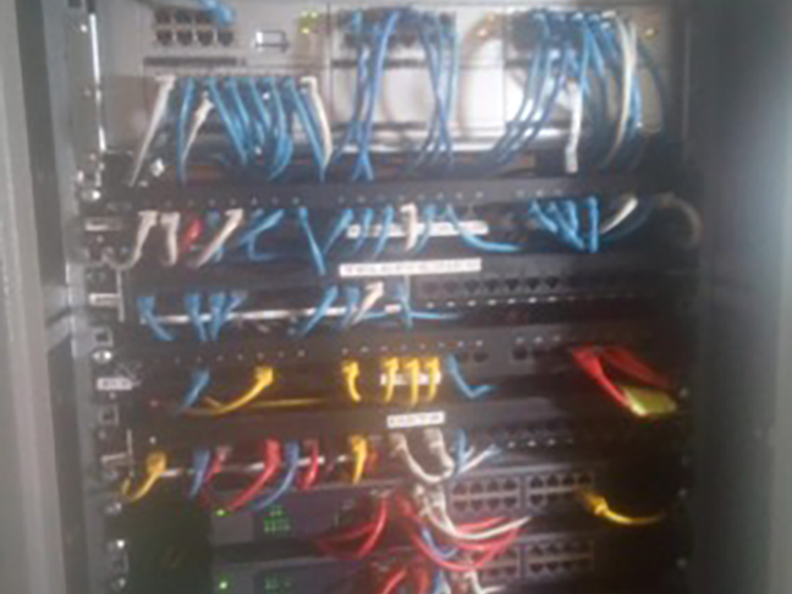
The results speak entirely for themselves. By routing the cables professionally through management pathways and standardizing our patch lengths, the cabinet was completely reborn. The clean runs give full visibility back to the switch link lights, and the neatly organized panels under clear ‘DATA’ and ‘TELEPHONES’ labeling make future maintenance incredibly straightforward.
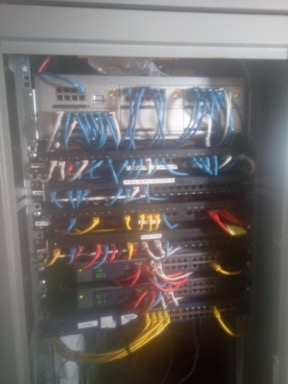
Figure 2: The beautiful, streamlined, and labelled final result.
Why Cabinet Management is Critical for IT Ops
While a clean rack gives immense professional satisfaction, the true benefits are measured in operational metrics:
- Drastically Reduced MTTR (Mean Time to Repair): When an issue occurs, engineers can identify, trace, and isolate a drop or patch lead in seconds rather than hours.
- Optimized Airflow & Equipment Longevity: Bundles of tangled wires trap heat right in front of switch exhaust fans. Clean cabling allows proper ventilation, keeping core equipment running at optimal temperatures.
- Minimized Human Error: Accidental disconnections are a massive source of self-inflicted downtime. When a rack is organized, the risk of snagging an adjacent cable is completely mitigated.
Conclusion
A server cabinet is the heart of a local network infrastructure. Taking the time to execute a professional cable tidy isn’t just an aesthetic luxury; it’s a fundamental best practice for a resilient, scalable, and high-performing IT environment. If your comms cabinet currently looks like our ‘Before’ picture, take this as your sign to put a plan together, grab some uniform patch leads, and get to work!


No Comments